
A statement of account summarizes activity on an account during a defined period and reconciles the opening balance with invoices or charges, payments, credits, adjustments, and the closing balance. Unlike an individual invoice, which requests payment for a particular transaction, a statement gives the recipient a consolidated view of the account relationship.
A useful statement should make reconciliation easy. Include a clear statement period, customer and account identifiers, transaction dates, reference or invoice numbers, concise descriptions, debit and credit amounts, running or closing balance, and contact information for resolving discrepancies.
Our free statement of account templates provide a convenient starting point for creating professional account statements without having to build the entire document from scratch. You can customize a template with your business name, customer information, account number, transaction dates, invoice details, payments received, credits, and outstanding balance.
A statement of account is especially useful for businesses that sell products or services on credit or manage recurring customer transactions. Sending a clear account statement can help customers understand what they have been charged, what they have already paid, and what amount remains outstanding.
These templates can be used for monthly customer statements, accounts receivable records, client account summaries, supplier accounts, business transactions, and other situations where a clear transaction history is required.
What Is a Statement of Account?
A statement of account is a summary of financial transactions associated with a particular customer or account during a defined period.
For a business, the statement may list invoices issued to a customer, payments received, credit notes, adjustments, refunds, and the balance remaining at the end of the statement period.
For example, a customer account statement might show:
- Opening balance
- Invoice numbers
- Invoice dates
- Description of goods or services
- Amounts charged
- Payments received
- Credits or adjustments
- Transaction dates
- Running balance
- Closing or outstanding balance
This makes the document useful for both the business and the customer. The business can use it to monitor accounts receivable, while the customer can use it to review transactions and reconcile its own records.
Free Statement of Account Templates
Using a free statement of account template can save time when preparing customer account statements regularly. Rather than designing a table and deciding which transaction details to include each time, you can start with an existing format and modify it for your business.
A template can be customized with your company logo, contact information, customer name, account number, statement period, currency, payment terms, and transaction details.
Businesses that issue statements every month can also use a consistent format across their customer accounts. This can make statements easier for customers to read and easier for accounting staff to prepare and review.
Depending on the available format, you may use a statement of account template in Word, Excel, or PDF. Excel can be particularly useful when calculations and running balances are required, while Word can provide greater flexibility for document formatting.
What Does a Statement of Account Include?
The exact statement of account format can vary depending on the type of business and the transactions involved. However, a professional account statement commonly contains several important sections.
Business Information:
Include the company name, address, phone number, email address, website, and other relevant contact details.
Customer Information:
Identify the customer or account holder, including the name, address, customer ID, or account number where appropriate.
Statement Period:
Clearly show the period covered by the statement, such as a particular month, quarter, or date range.
Opening Balance:
If applicable, show the amount outstanding at the beginning of the statement period.
Transaction Details:
List invoices, purchases, charges, payments, credits, refunds, or other account activity.
Invoice Information:
Where applicable, include invoice numbers and dates so customers can match transactions with their invoices.
Payments and Credits:
Show payments received and applicable credits or adjustments.
Balance:
Display the resulting balance after the listed transactions.
Payment Terms:
If the account has specific payment terms, such as payment due within a certain number of days, those details can also be included.
Statement of Account Example
A statement of account example can help illustrate how the document works.
Suppose a customer begins the month with an outstanding balance of $500. During the month, the business issues a $1,000 invoice for additional products or services. The customer then makes a $700 payment.
The statement could show the opening balance, new invoice, payment received, and resulting balance. In this simplified example, the customer would have an outstanding balance of $800 at the end of the period.
A real statement may contain many more transactions, including multiple invoices, partial payments, credit notes, discounts, refunds, and adjustments.
The important purpose of the statement is to provide a chronological and understandable record of the account.
Monthly Statement of Account
A monthly statement of account is commonly used by businesses that have recurring transactions with customers.
At the end of each month, a business can prepare a statement showing all relevant activity during that month along with any opening and closing balances.
Monthly statements can be particularly useful for:
- Wholesale businesses
- Retail businesses
- Service providers
- Subscription businesses
- Consultants
- Contractors
- Distributors
- Suppliers
- Professional service firms
- Businesses offering credit terms
Regular statements can help customers stay informed about their accounts and can make it easier to identify unpaid invoices before balances become overdue.
Customer Statement of Account
A customer statement of account provides an overview of transactions between a business and a specific customer.
Unlike a single invoice, which normally requests payment for one transaction, a customer statement can summarize multiple transactions over a period.
For example, a customer who receives several invoices throughout a month may receive one account statement showing all invoices and payments together.
This makes the statement useful for account reconciliation and customer communication.
Accounts Receivable Statement
An accounts receivable statement is closely related to a customer statement of account. Businesses use accounts receivable records to track amounts owed by customers.
A statement can help the accounting department monitor outstanding balances and communicate those balances to customers.
It may also be used alongside an accounts receivable aging report, which categorizes outstanding invoices according to how long they have remained unpaid.
The two documents serve different purposes, but they can complement one another as part of a company’s receivables management process.
Statement of Account vs. Invoice
A statement of account and an invoice are not the same document.
An invoice generally requests payment for a specific sale, service, or transaction. It identifies what was sold or provided and the amount due.
A statement of account summarizes account activity over a period and may include several invoices, payments, credits, and adjustments.
For example, a business might send three separate invoices during a month and then send a monthly statement showing all three invoices along with payments received and the remaining balance.
Using both documents can make customer billing and account reconciliation easier.
Statement of Account vs. Receipt
A receipt generally confirms that a payment has been received.
A statement of account provides a broader history of transactions associated with the account.
For example, a receipt might confirm that a customer paid $500, while the customer’s statement of account could show the original invoice, the $500 payment, previous transactions, credits, and the remaining balance.
These documents therefore have different purposes even though they may contain related financial information.
Statement of Account for Small Business
A small business statement of account can be particularly useful when customers purchase products or services on credit.
Small businesses may not have complex accounting departments, making a simple and consistent template valuable.
A basic statement can include customer information, invoice numbers, transaction dates, charges, payments, credits, and the outstanding balance.
Businesses can prepare statements manually or generate them through accounting software. A template is particularly useful when a business needs a simple printable or editable format.
Statement of Account Template in Excel
An Excel statement of account template can be useful when you need to calculate balances or maintain a detailed transaction list.
Excel allows you to create columns for:
- Date
- Transaction description
- Invoice number
- Debit or charge
- Credit or payment
- Running balance
- Reference number
- Notes
Formulas can then be used to calculate totals and running balances.
For businesses with many transactions, Excel can make it easier to sort, filter, calculate, and review account activity. However, formulas should always be checked carefully to ensure that the resulting balance is accurate.
Statement of Account Template in Word
A statement of account template in Word can be useful when the primary goal is to create a clean, professional document that can be edited, printed, or shared with a customer.
Word makes it easy to customize headings, add company branding, insert tables, and adjust the appearance of the statement.
It can be particularly suitable for businesses with relatively simple customer accounts or for creating a printable statement format.
If the statement requires extensive calculations, an Excel template may be more convenient.
Statement of Account PDF
A statement of account PDF is useful when a business wants to send a fixed-format copy of an account statement to a customer.
PDF helps preserve the layout of the completed document across different devices and can be convenient for email communication and recordkeeping.
For entering or calculating transaction data, an editable Word or Excel file is generally more practical. Once the statement has been reviewed and finalized, it can be saved or exported as a PDF.
Why Use a Statement of Account Template?
Preparing account statements from a blank document can be repetitive, especially for businesses that issue statements every month.
A statement of account template provides a ready-made structure that can be reused and customized.
Benefits include:
- Saves time when preparing customer statements
- Provides a consistent account statement format
- Organizes transactions in chronological order
- Makes outstanding balances easier to understand
- Helps customers reconcile their records
- Can include invoices and payment information
- Useful for accounts receivable management
- Can be customized for different customers
- Available in editable document and spreadsheet formats
- Creates a professional presentation for financial information
A template is a starting point, so businesses should customize it according to their accounting processes and customer requirements.
How to Prepare a Statement of Account
To prepare a statement of account, begin by identifying the customer and the statement period.
Next, determine the opening balance, if applicable. Collect the relevant transactions for the period, including invoices, purchases, payments, credits, refunds, and adjustments.
Enter each transaction in chronological order and include enough information for the customer to identify the transaction. Invoice numbers and transaction dates are particularly helpful.
Calculate the running balance and confirm the final amount against your accounting records.
Before sending the statement, check the customer’s name, account number, dates, invoice numbers, payments, credits, and closing balance.
If the statement is being used as part of formal financial reporting, make sure it is consistent with the business’s accounting records and applicable procedures.
How a Statement of Account Helps With Payment Follow-Up
A clear customer statement can make payment follow-up more straightforward.
Instead of contacting a customer about a single amount without context, a business can provide a statement showing the relevant invoices, payments, credits, and outstanding balance.
This gives the customer an opportunity to compare the statement with its own records and identify any discrepancies.
If an invoice is overdue, the statement can also serve as a useful summary when communicating with the customer about the unpaid amount.
Statement of Account for Suppliers
Statement of account formats are not limited to customer receivables. Businesses may also receive supplier statements showing purchases, invoices, payments, credits, and outstanding amounts.
Accounts payable staff can compare supplier statements with internal records to identify missing invoices, unrecorded payments, or discrepancies.
This makes account statements useful on both sides of a business transaction.
What Is the Difference Between a Bank Statement and a Statement of Account?
A bank statement is issued by a bank and reports activity in a bank account, such as deposits, withdrawals, transfers, fees, and the resulting account balance.
A statement of account is a broader business document that can summarize transactions between a company and a customer, supplier, or other account holder.
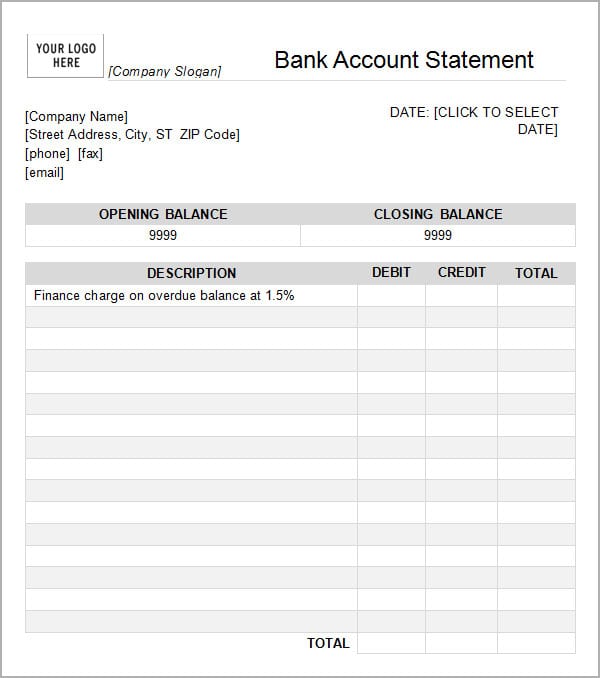
The current page describes a bank statement as an example of a statement of account. While both documents provide transaction histories, they should not automatically be treated as identical.
For SEO and user clarity, the page should distinguish bank statement templates from business/customer statement of account templates rather than suggesting that the terms always mean the same thing.
Choose the Right Statement of Account Template
The best statement of account template depends on the type of account and the level of transaction detail required.
A small business with only a few monthly transactions may need a simple customer statement. A company managing numerous invoices and payments may benefit from an Excel-based format with running balances and more detailed transaction columns.
Consider whether you need a monthly statement of account, customer account statement, accounts receivable statement, supplier statement, Word template, Excel template, or PDF format.
Choose a template that provides enough information for the recipient to understand the account without making the statement unnecessarily complicated.
Our free statement of account templates provide a practical starting point for creating organized, professional account statements. Customize the template with accurate customer information, transaction details, invoices, payments, credits, and balances to create a statement that is easy to review and reconcile.
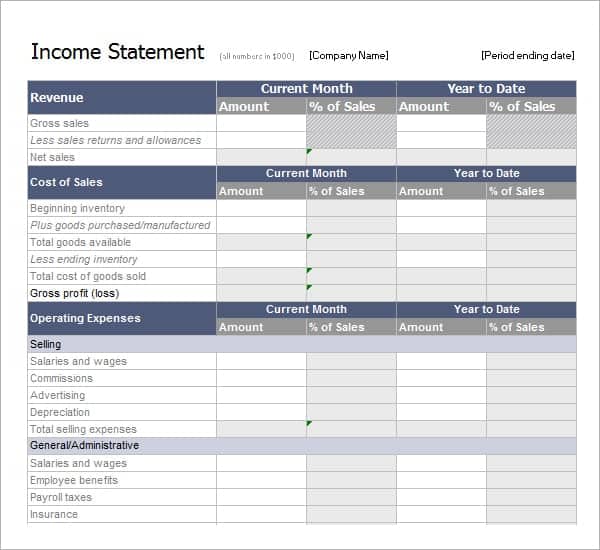
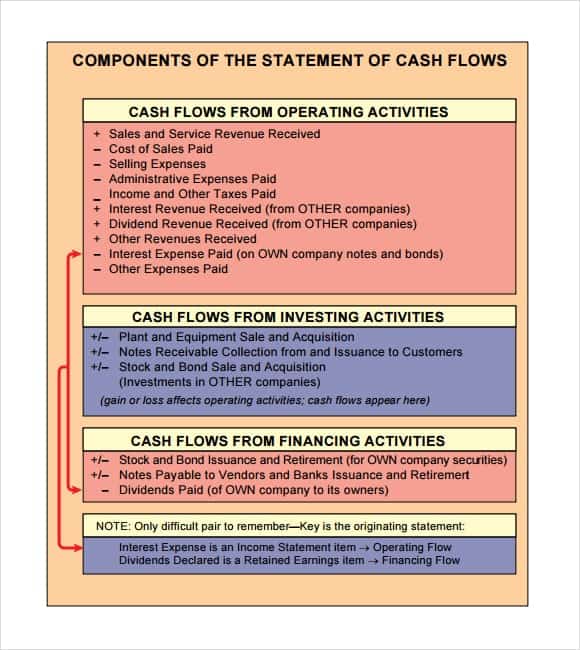
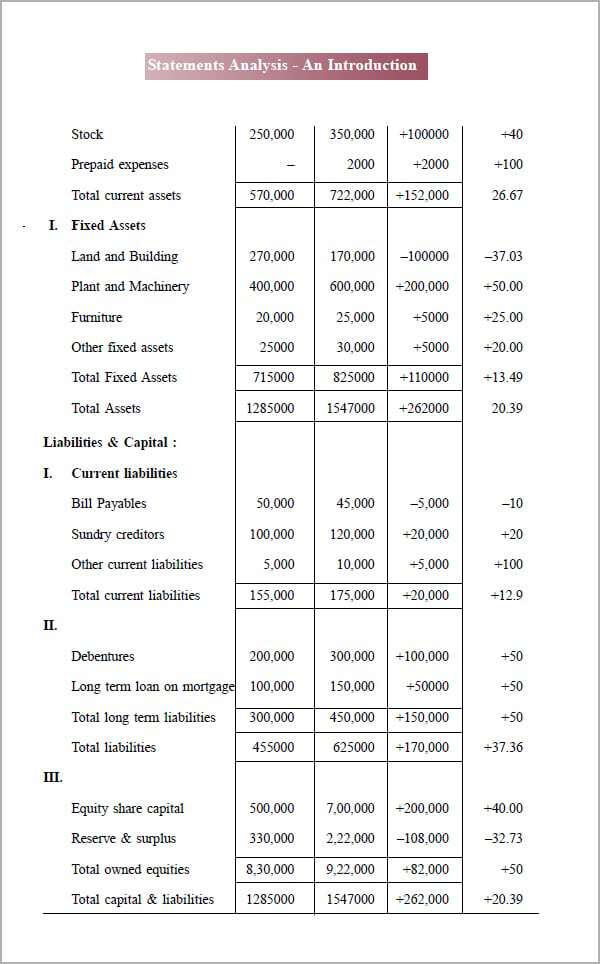
Download See Examples of Statement of account templates:
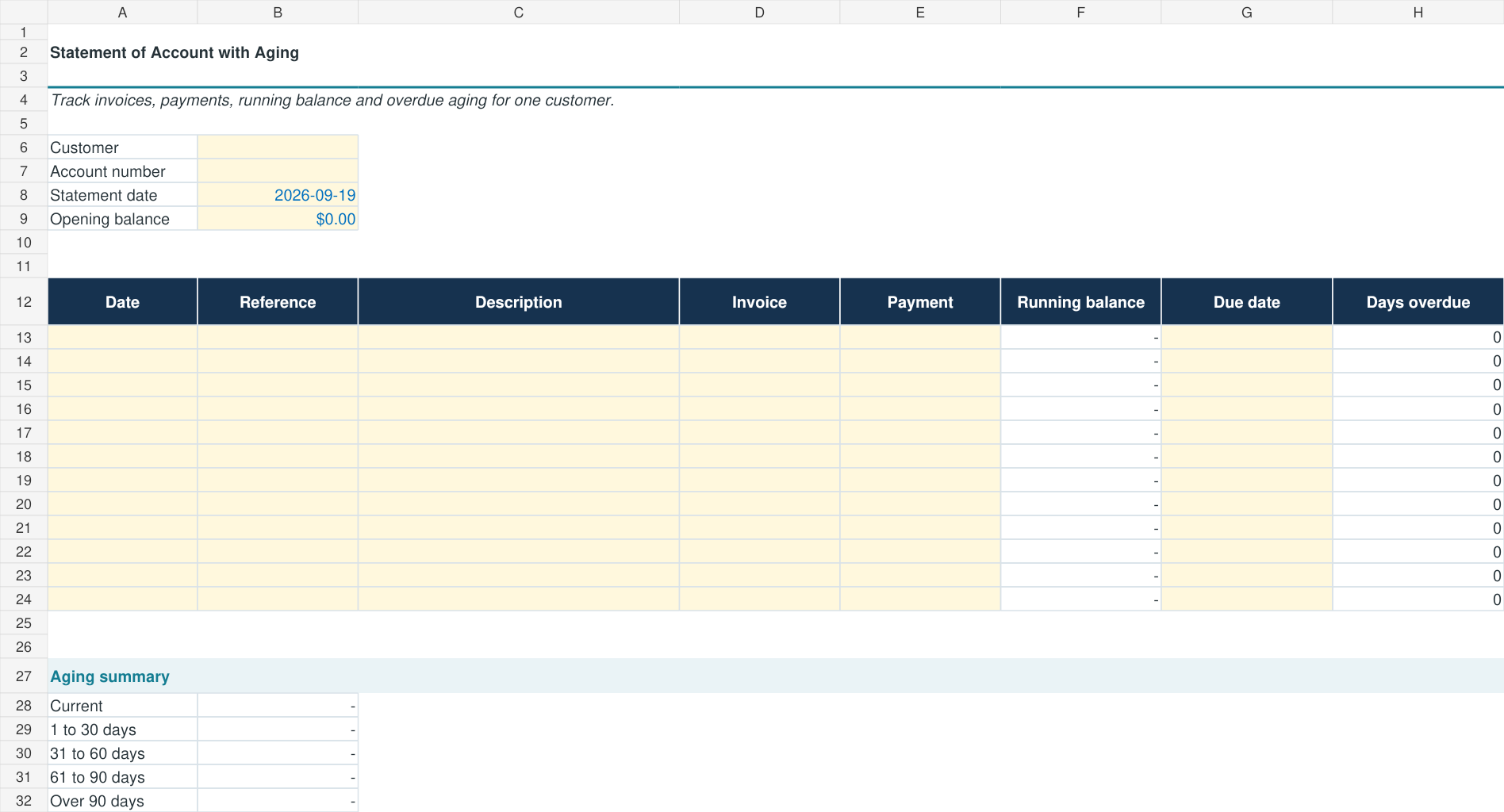
Download Statement of Account with Aging
This Excel statement tracks invoices, payments, running balances, due dates, days overdue, and aging totals for a single customer account.

FAQs
1. What is a statement of account?
A statement of account is a summary of transactions associated with a customer, supplier, or other account during a specific period. It can show invoices, payments, credits, adjustments, and the outstanding balance.
2. What is included in a statement of account?
A typical statement can include the account holder’s information, statement period, opening balance, transaction dates, invoice numbers, charges, payments, credits, adjustments, and closing balance.
3. Is a statement of account the same as an invoice?
No. An invoice generally requests payment for a particular transaction, while a statement of account summarizes multiple transactions and the overall account balance for a period.
4. Can I use a statement of account template for a small business?
Yes. A small business can use a statement template to track customer invoices, payments, credits, and outstanding balances.
5. Can a statement of account be prepared monthly?
Yes. Monthly statements are commonly useful for businesses with recurring customer transactions or customers who purchase on credit.
6. Is there a statement of account template in Excel?
Yes. Excel is particularly useful when you need transaction calculations, running balances, totals, sorting, or filtering.
7. What is a customer statement of account?
A customer statement summarizes financial transactions between a business and a particular customer, including invoices, payments, credits, and the amount remaining due.
8. What is the difference between a statement of account and a bank statement?
A bank statement reports activity in a bank account, while a business statement of account generally summarizes transactions between a company and a customer, supplier, or other account holder.
9. Can I send a statement of account as a PDF?
Yes. PDF is a convenient format for sending a finalized statement because it generally preserves the document’s layout and appearance.
10. What is an accounts receivable statement?
An accounts receivable statement summarizes amounts owed by customers and related transactions. It can help businesses communicate outstanding balances and reconcile customer accounts.
You must be logged in to post a comment.